Tower Dash Strategy: Cash-Out Tactics and Bankroll Habits
Every block in Tower Dash runs on an independent random outcome, so no system turns the 96% RTP into a guaranteed profit — the odds stay exactly the same on the first block and the twentieth. What genuinely changes from player to player is how the stake is managed and when the Cash Out button actually gets pressed, and that's where most rounds are won or thrown away. This guide covers the habits experienced players — including plenty across India — lean on, tested through demo and real-money play.
Every tactic below is about structuring a session and managing risk — not about predicting a random number generator. Treat it as discipline, not a system.
Understand What You're Actually Controlling
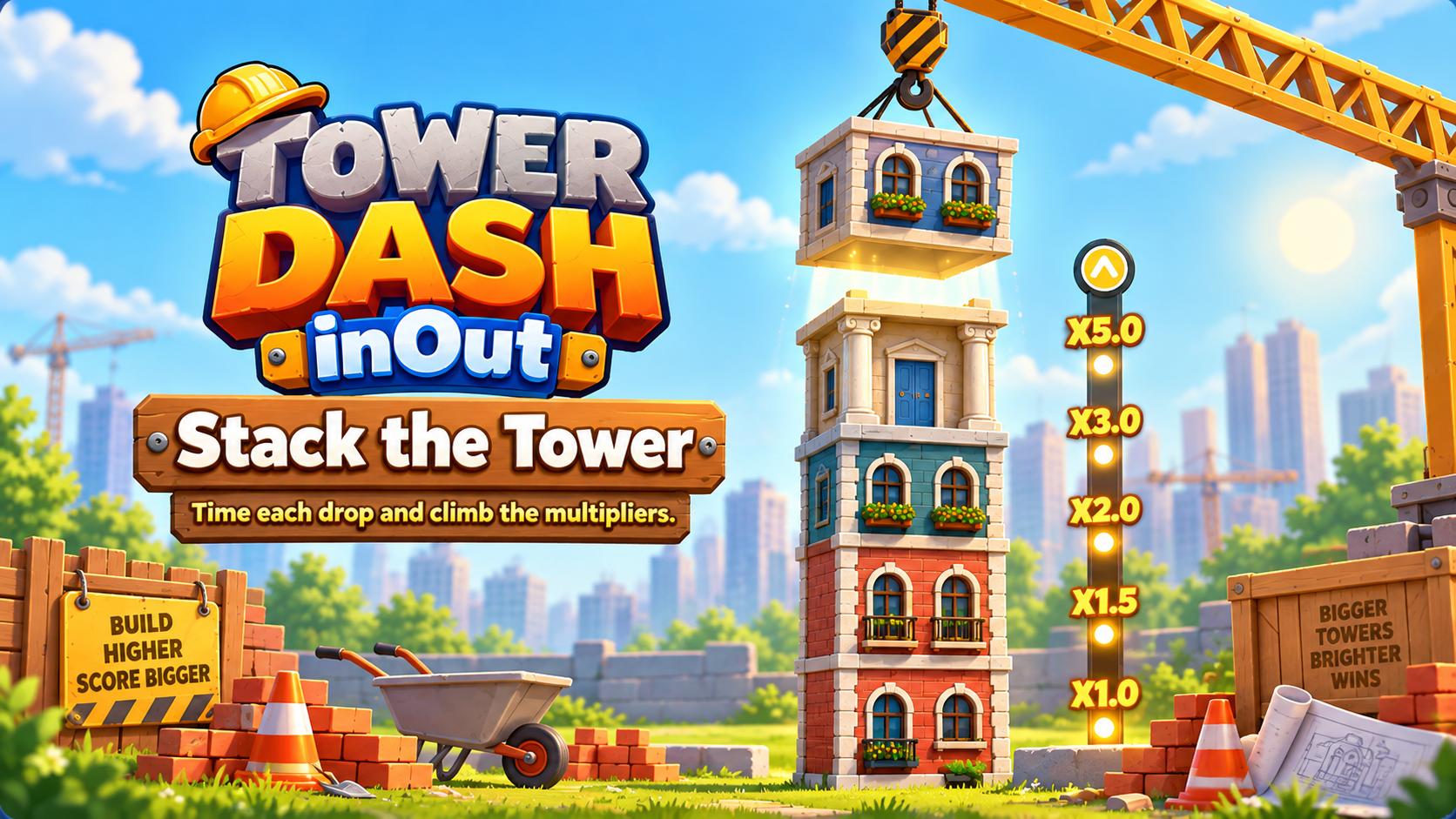
The crane's timing is a genuine skill you can improve with practice; the multiplier ladder underneath it is not. Every block that appears carries independent odds of landing safely, hiding a Booby-Trapped Crate, or turning out to be a rescuing Wild Block — nothing about a previous round changes those odds for the next one. Strategy in Tower Dash is really about discipline around a random process, not about predicting it.
| Stage of the climb | What tends to happen | Risk level |
|---|---|---|
| First few blocks | Small, steady multiplier gains | Low |
| Mid-tower | Multiplier growth speeds up | Medium |
| High blocks | Large multipliers, one miss from zero | High |
| Booby-Trapped Crate | Round ends instantly if landed on | Very high |
Four Cash-Out Habits Worth Building
Decide on a target block count with a clear head. A limit set before the round starts holds up far better than a decision made mid-climb.
Twenty low-stake rounds teach the crane's rhythm faster than three tense, high-stake ones — and risk far less of your bankroll doing it.
The pull to chase a taller tower after a couple of collapses is exactly what empties a balance fastest. Step back instead.
A big multiplier sitting on a sliver of a landing surface is already in danger. Width is a more honest signal than the multiplier ladder.
Learning the Crane's Rhythm
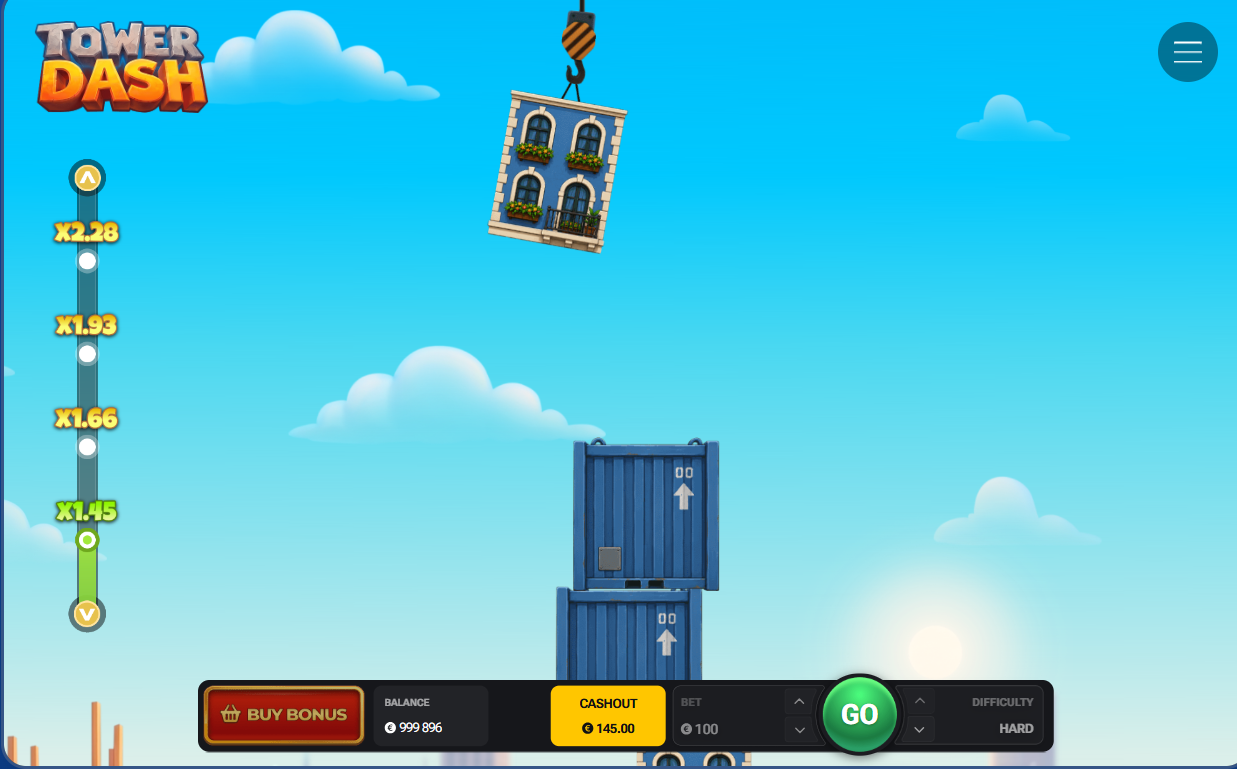
The swing isn't pure noise. Spending a few minutes in demo mode watching only the point where the block's movement reverses direction is the single most useful habit for anticipating the drop — most missed taps happen because the player reacts to what they see instead of reading the path a moment ahead of it. Building this instinct on virtual credits, where nothing is at stake, is far cheaper than building it with real money live.
Bankroll and Session Management
Timing decides individual rounds; bankroll management decides how long you get to keep playing them. A few principles protect a session from ending earlier than it needs to.
- Set a gambling budget that's separate from essential funds, before you start
- Keep each stake to a small percentage of that session's bankroll
- Set a loss limit and stop the session when it's reached, no exceptions
- Set a win goal too, and treat reaching it as a genuine stopping point
A fixed session length tends to work better than chasing a target win, since a target win keeps moving further away once it's reached. Take a break after either a big win or a rough stretch of losses — tap accuracy on the crane noticeably drops after many rounds back to back — and never raise a stake specifically to chase back a previous loss; the next block doesn't know what the last one cost you.
When to Cash Out
The cash-out decision is the entire strategy in Tower Dash — everything above exists to make that single tap more deliberate.
- You've reached the target height you set before the round started
- The remaining block width has thinned noticeably
- You feel the urge to "just one more block" after already hitting your target
- You're still well below your predetermined target
- The stake on this round is small relative to your session bankroll
- A Wild Block has just rescued an otherwise shaky drop
Do the Buy Bonus Modes Change the Strategy?
Buy Bonus modes like Touch the Skies! and Build Your City! change the entry cost and volatility profile of a round, not the underlying odds. Touch the Skies! gives three attempts before a fallen block ends the round, which suits a more conservative, exploratory approach. Build Your City! automatically stacks several towers for a combined multiplier, which suits players comfortable with higher variance in exchange for a bigger potential payout. Treat either mode as a different way to play, not a way to beat the RTP.
18+. No cash-out habit or staking pattern changes the underlying odds behind Tower Dash's 96% RTP. Play responsibly and only with money you can afford to lose — the same advice applies whether you're playing from India or anywhere else.